Senior living has never had more tools to support wellbeing.
Communities are investing in fitness programs, expanding wellness offerings, introducing new technologies, and creating more opportunities for engagement than ever before. These efforts reflect an important shift as residents increasingly expect communities to support not only their care needs, but also their ability to remain active, independent, and connected throughout the aging journey.
Yet one of the most important influences on wellbeing rarely appears on an activity calendar.
It is easy to assume that structured programs, events, and interventions primarily shape wellbeing. In reality, residents can experience wellbeing through something far more fundamental. They experience it through the patterns that shape everyday life.
That is why some of the most successful communities are expanding how they think about wellbeing. They are paying closer attention to the daily rhythms that support independence, engagement, and quality of life over time.
The opportunity lies in creating conditions that help healthy habits become routine.
A Different Way to Think About Wellbeing
Conversations about health and wellbeing often gravitate toward big ideas. A new exercise room. A specialized supplement stack. The latest technology can measure minute-by-minute input. Innovation undoubtedly plays an important role in helping communities evolve and meet changing expectations.
The challenge is that a single solution cannot transform wellbeing. Many of the factors that influence how people feel each day are surprisingly ordinary. Sleeping well, moving consistently, sharing meals with others, maintaining a sense of purpose, and feeling comfortable enough to participate in community life all have an outsized influence on long-term wellbeing.
These habits rarely generate headlines, but they often have a greater impact than short-term interventions because they are repeated day after day.
That reality becomes especially important when someone moves into a senior living community.
A move can represent a significant life transition. Residents may be leaving a longtime home, adjusting to new surroundings, or navigating changes in health and independence. During periods of transition, familiar routines become important anchors. Meals, movement, social interaction, and daily structure help create a sense of stability while residents adjust to a new environment.
When communities understand the role these patterns play, wellbeing begins to look less like a collection of offerings and more like an experience that unfolds throughout each day.
The Power of Consistency
When conversations about wellbeing focus exclusively on health outcomes, it is easy to overlook a factor that influences nearly every aspect of community life.
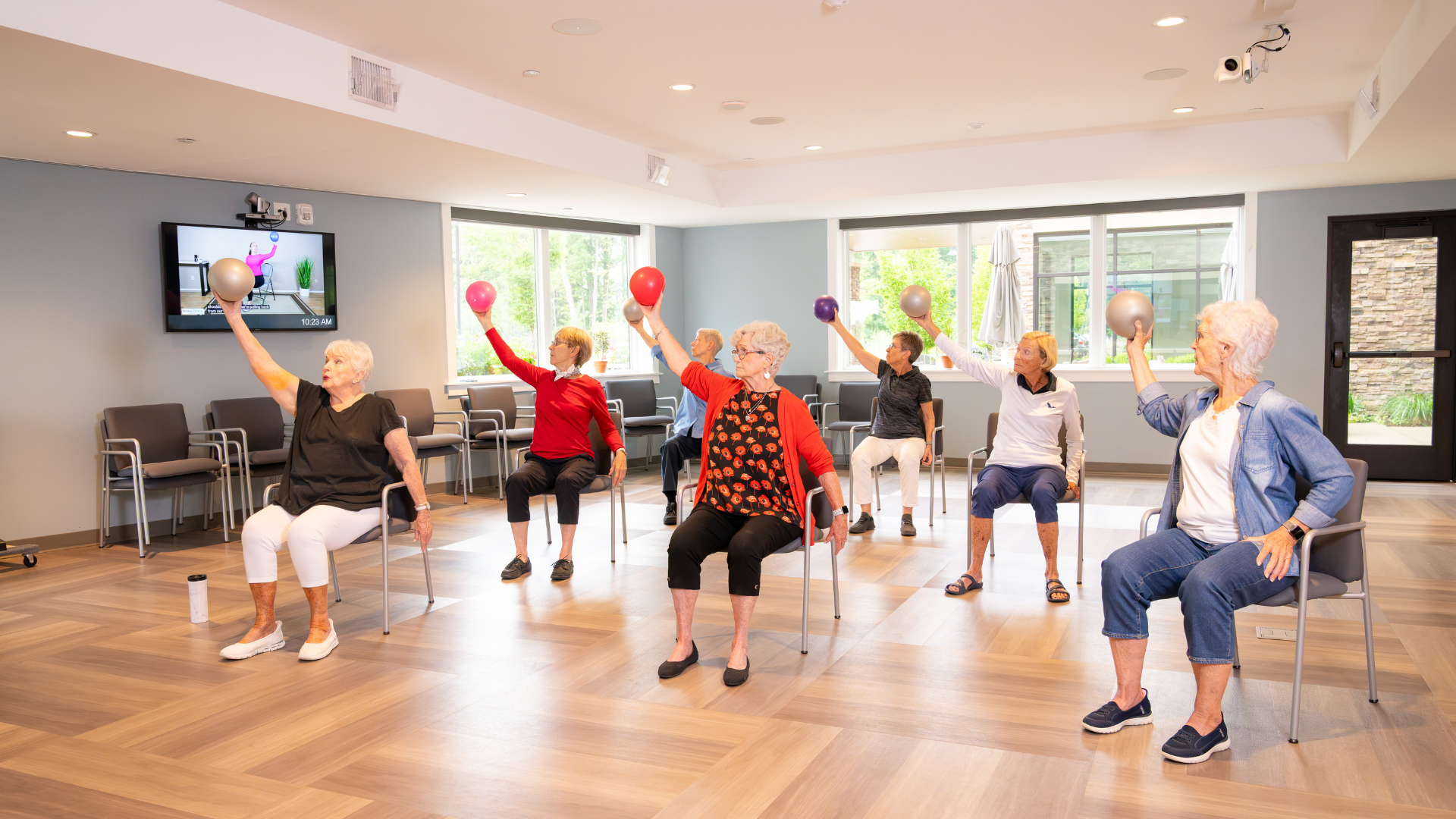
Residents who feel physically strong, steady on their feet, and capable of navigating their surroundings are often more willing to engage with the opportunities around them. Attending a social event feels easier. Walking to a meal feels less intimidating. Joining a group activity requires less deliberation. Participation becomes a natural practice rather than a decision that must be weighed carefully.
But confidence can be lost just as gradually.
A resident who has experienced a fall, is concerned about balance, or simply does not feel as strong as they once did may begin making small adjustments to their routine. An activity gets skipped. A longer walk across campus starts to feel less appealing. A resident who once accepted invitations without hesitation may begin declining them.
Individually, these decisions may seem insignificant. Over time, however, they can narrow the experiences that make community life engaging and fulfilling.
Looking at wellbeing through this lens changes the conversation. Nutrition is no longer just about dietary goals. Movement is no longer just about exercise. Sleep is no longer just about rest. Together, these factors influence whether residents feel confident enough to continue to participate and contribute to the life happening around them.
When viewed this way, wellbeing becomes more than health metrics alone. It becomes about helping people continue doing the things that give their lives meaning and enjoyment.
From Amenity to Strategy
One of the clearest signs that senior living is evolving is how communities approach wellbeing.
Current and future residents are raising the bar on what they expect from community life. They are not simply evaluating activity calendars, dining venues, or fitness offerings as separate amenities. They are looking for environments that support autonomy, foster engagement, and make healthy choices feel accessible.
As a result, many communities are beginning to view wellbeing as a foundational offering essential to the overall resident experience.
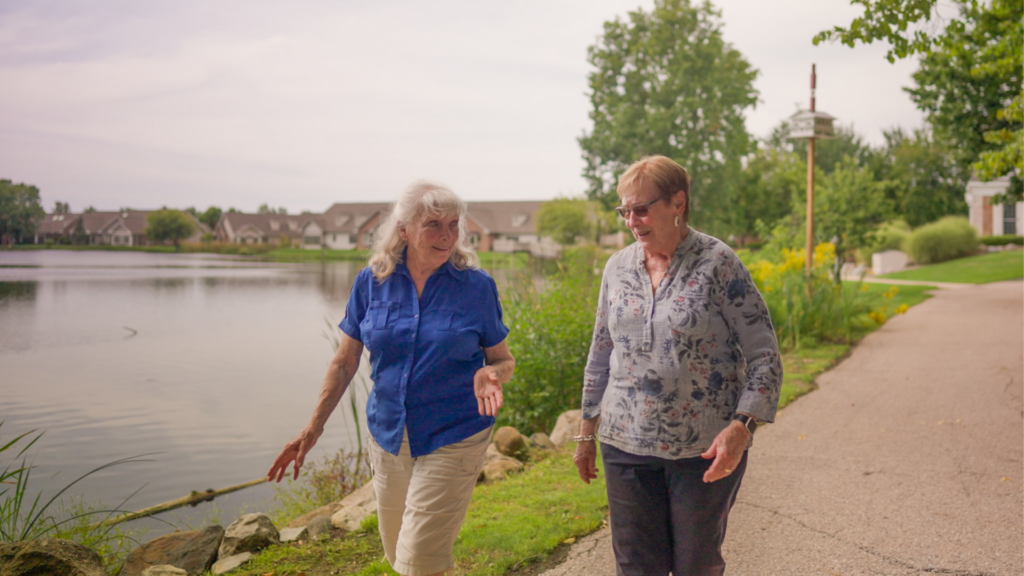
Leaders are paying greater attention to how dining, movement, social engagement, and the built environment work together to influence daily life. Walking paths, outdoor gathering spaces, flexible programming, and wellness-focused dining are no longer viewed as isolated features. Rather, they are part of a broader strategy to help residents maintain healthy, purpose, and quality of life over time.
This shift reflects a growing recognition that wellbeing is not something residents experience for an hour each day. It runs through daily community life and influences how the community operates. The communities that will enjoy the greatest success are the ones that make healthy choices feel natural rather than burdensome. Movement is encouraged throughout the day instead of being confined to scheduled classes. Dining balances optimized nutrition with enjoyment. Social engagement happens organically because the environment promotes participation and connection.
Creating this kind of culture requires intention, but it does not necessarily require complexity. In many cases, the most effective wellbeing strategies are the ones that fit seamlessly into everyday routines, making healthy habits easier to adopt and more likely to last.
Establishing Healthy Patterns Early
One of the most valuable and often overlooked opportunities to support resident wellbeing occurs when a new resident first moves into a community.
Even when a transition is welcomed, moving to a new community can be challenging. Residents are leaving behind familiar surroundings, established routines, and the habits that have shaped daily life for years. Beyond learning about a new physical environment, they are also navigating how to build a sense of comfort, purpose, and belonging in an unfamiliar setting.
This is where communities have an opportunity to make a lasting difference.
The earliest conversations with new residents often focus on practical needs, but they can also uncover valuable insight into the routines that matter most. When does someone typically eat breakfast? How do they prefer to stay active? What activities have always brought them enjoyment? What helps them feel productive and connected throughout the week?
The answers are often more revealing than any formal assessment.
Understanding how a resident has lived before moving in can help teams support habits that already feel familiar rather than expecting someone to rebuild an entirely new lifestyle overnight. That familiarity creates a sense of stability during a period that can otherwise feel uncertain.
Someone who quickly finds a preferred dining routine, joins a regular walking group, or develops a handful of familiar touchpoints throughout the week is more likely to feel comfortable and confident in their new surroundings. Gradually these small routines become anchors that transform an unfamiliar community into a place that feels more like home.
Communities devote significant effort to helping residents adjust physically to a move. The strongest communities also recognize the importance of helping them establish a new rhythm for daily life.
The positive effects of early support often extend beyond move-in day, shaping wellbeing and quality of life for months and years to come.
The Real Wellbeing Strategy
As communities continue investing in wellbeing, there is an opportunity to focus more on the experiences residents encounter every day. The routines they establish, the choices available to them, the confidence they feel navigating their environment, and the relationships they build over time all contribute to their overall sense of wellbeing.
Most of the habits that support wellbeing are not particularly complicated. The challenge is creating an environment where those habits can become consistent and sustainable.
That is why daily life matters so much.
A single initiative rarely defines an effective wellbeing strategy. Instead, they emerge from the countless interactions, routines, and choices that shape each day. Over time, those small moments compound, influencing how residents feel, engage, and thrive within their community.
For leaders thinking about the future of senior living, this may be one of the most meaningful opportunities in front of them.
About CCL Hospitality Group
Browse Additional Resources
The Conversations That Keep Employees from Leaving

How The Philadelphia Protestant Home Strengthened Support Services with Coreworks