As longevity increases and expectations shift, senior living is entering a new era—one where thriving, not just aging, becomes the standard. Drawing from our well-being and longevity research initiative, this lost of top trends in senior living for 2026 reflects a comprehensive view of how older adults define and experience well-being today.
Together, these reports blend resident storytelling with qualitative interviews, open-ended feedback, and extensive survey data, revealing how rapidly expectations are evolving across personalization, connection, nutrition, brain health, and access to care. Based on these insights from current and future residents, industry leaders, and wellness experts, here are the 10 defining well-being trends in senior living shaping 2026 and beyond.
1. Whole-Person Well-Being Becomes the Industry Standard
Wellness used to mean a workout class or a healthy meal. Now, residents expect something far more comprehensive: an approach to well-being that supports their physical, emotional, social, spiritual, cognitive, and environmental health.
Thriving requires seeing the whole person, not just their health needs.
2. Personalized, Self-Directed Wellness Takes Center Stage
Autonomy has become one of the strongest predictors of well-being.
89% of current residents and 87% of future residents say offerings should reflect their personal preferences.
In 2026, personalization looks like:
- Customized fitness and mobility paths
- Tailored nutrition plans and recipe adaptation
- Resident-driven clubs and micro-communities
- Flexible routines rather than one-size-fits-all programming
Residents don’t want “programs done for them”—they want ones built with them.
Read Our Latest Report: Wellbeing and Healthy Longevity Research
Download the Report3. Purpose and Meaning Outweigh Novelty
Socioemotional Selectivity Theory continues to prove true: as we age, meaning outranks novelty.
Top desires include:
- Deep, trusted relationships
- Purposeful activities
- Opportunities to contribute
- Identity and passion-driven engagement
Residents are no longer simply consumers of care; they want to be co-creators of community culture.
4. Nutrition as Connection, Identity, and Medicine
Food is emerging as one of the top three drivers of well-being. Residents want:
- Transparent, personalized nutrition planning
- Education around diet, aging, and brain health
- Menus that honor personal history and cultural identity
- Culinary experiences that build community (resident-led meals, recipe nights)
As one nutrition leader notes, “It’s not just about the food—it’s about honoring someone’s story.”
5. Brain Health Becomes a Core Well-Being Expectation
Interest in cognitive vitality is soaring:
78% of current residents and 83% of future residents say mental fitness is essential to well-being.
In 2026, expect to see:
- Memory-care-informed nutrition
- Cognitive training and neuroplasticity programs
- Digital brain-health tools
- Interdisciplinary collaboration between chefs, trainers, and clinicians
Brain health is no longer optional programming; it’s fundamental.
6. Social Connection Becomes the Most Valuable Amenity
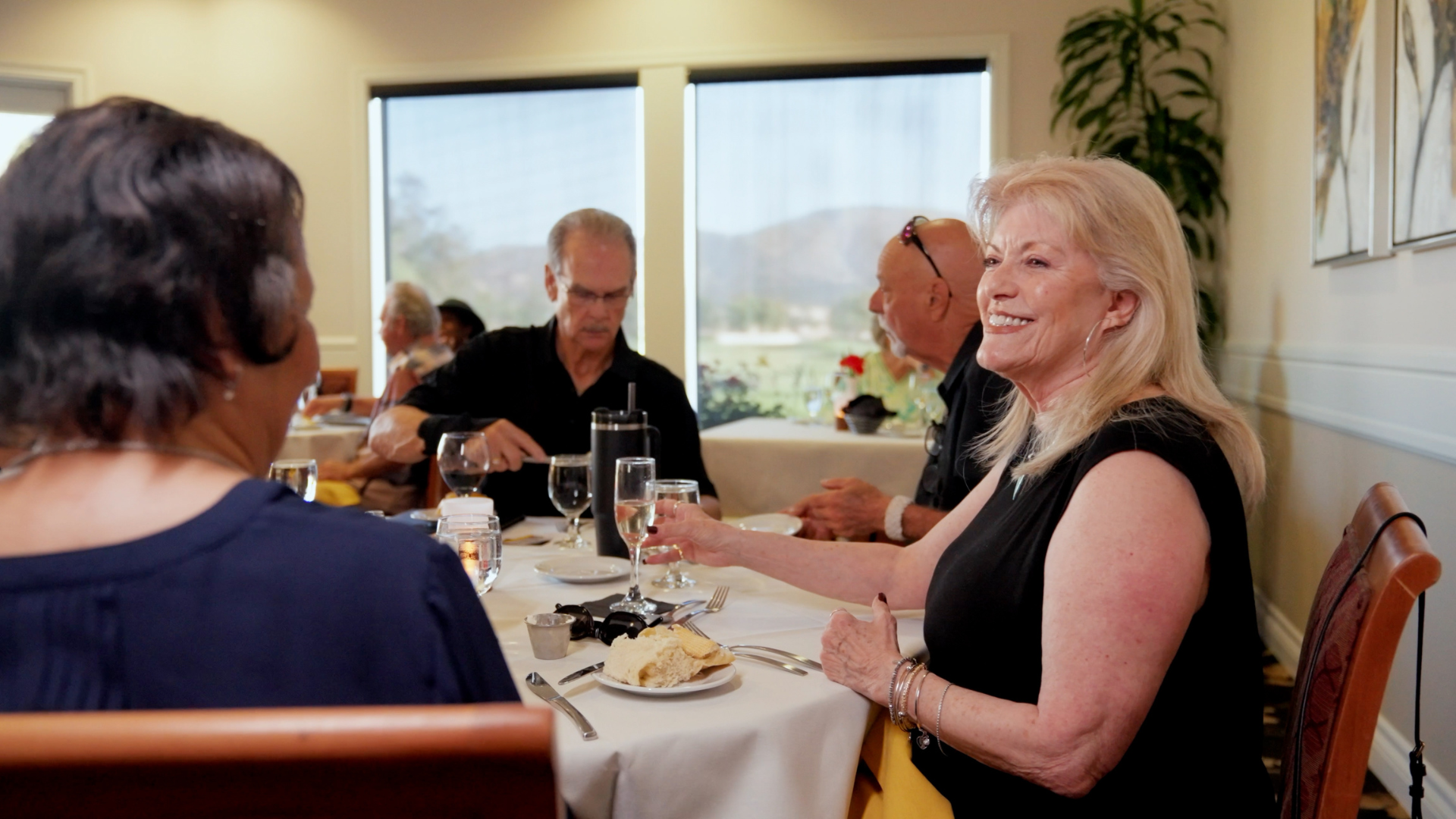
In both reports, social interaction is the #1 reason older adults choose senior living.
- 79% moved in for connection.
- 83% say connection drives well-being.
Residents want:
- Both organic and structured opportunities
- Multigenerational experiences
- Peer-led clubs, discussion circles, mentorship
- Spaces that encourage casual interaction (coffee bars, gardens, lounges)
Communities with strong social ecosystems consistently show higher satisfaction and better health outcomes.
7. Technology Supports Well-Being—But Never Replaces Human Touch
AI, wearables, and remote health monitoring are becoming increasingly common, especially among future residents—65% of current residents and 61% of future residents want technology integrated into their well-being tracking.
But residents are clear:
- Technology should enhance independence.
- It must not replace human connection.
- It should reduce staff burden, not add complexity.
Communities are adopting “tech with empathy” – tools that deepen understanding while preserving dignity.
8. Well-Being Becomes a Core Value, Not a Premium Upsell
Residents overwhelmingly believe well-being should not incur additional cost.
- 75% of future residents & 69% of current residents agree amenities should be included in the base offering.
In 2026, successful communities will:
- Integrate well-being into core services
- Offer transparent, equitable access
- Ensure inclusive programming across socioeconomic levels
Equity is becoming a defining feature of modern senior living.
9. Staff Well-Being Is Viewed as Essential to Resident Well-Being
Staff are no longer seen only as service providers; they are emotional anchors in daily life.
Residents say:
- Staff consistency and empathy directly shape their well-being.
- Staff well-being is “just as important” as their own.
Forward-thinking communities are:
- Providing wellness resources for employees
- Opening gyms and amenities to staff
- Supporting career pathways and growth
- Reducing burnout through redesigned roles
A thriving staff culture = a thriving resident culture.
10. The Shift Toward Preventive Rather Than Reactive Care
Well-being programs are increasingly designed to keep residents healthier for longer, not just treat illness.
The research highlights:
- On-site medical access is a top decision factor
- Telehealth and concierge-style care are rising
- Preventive screenings, coaching, and lifestyle medicine are expanding
- Data-driven progress tracking builds trust and engagement
Communities are moving from treatment to proactive vitality management.
The 2026 Well-Being Outlook
Senior living is evolving beyond care delivery toward a well-being-centered model that champions autonomy, belonging, purpose, and the principles of aging well. These trends in senior living reveal a future where residents aren’t just living longer, but living more vibrantly, more connected, and more meaningfully.
About CCL Hospitality Group
Browse Additional Resources

Wellbeing and Healthy Longevity Research
Compass One Donates Over 300,000 Pairs of Socks Nationwide