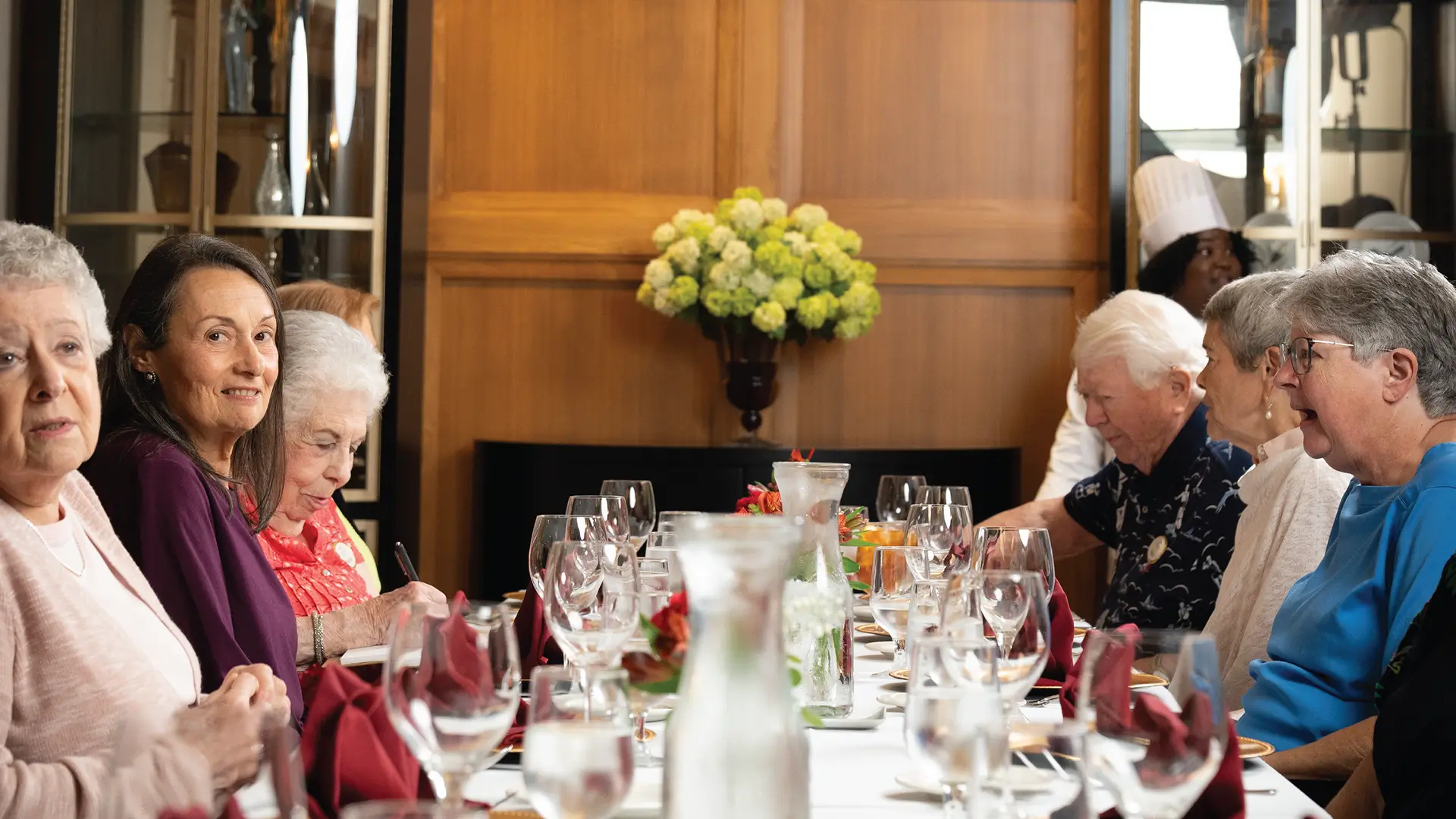
Loneliness and social isolation in senior living are often called invisible epidemics—and for good reason. While they don’t always make headlines, their impact on health and well-being is profound. The National Institute on Aging reports that older adults who experience loneliness face higher risks for heart disease, depression, cognitive decline, and even premature death. Emotional pain can activate the same stress responses as physical pain, leading to chronic inflammation and weakened immunity over time.
For many older adults, the triggers are familiar: the loss of a spouse or close friends, retirement, mobility challenges, or limited access to transportation. These factors can slowly erode daily interactions and reduce a person’s sense of connection and purpose. And while everyone experiences periods of solitude, persistent loneliness can have lasting effects that extend well beyond emotional health.
Yet amid this growing concern, new research offers hope—and points to a clear opportunity for change.
Senior Living as a Solution to Social Isolation
A recent U.S. News & World Report survey found that moving into a senior living community can significantly reduce feelings of loneliness among older adults. Before their move, 69% of respondents said they often felt lonely. After transitioning into a community setting, that number dropped to just 42%.
The data doesn’t stop there. Nearly 85% of residents reported making new friends since their move, and more than half said they’re now more physically active, socially engaged, and involved in meaningful daily activities. For many, that shift represents more than a lifestyle change—it’s a transformation in emotional well-being.
At CCL Hospitality Group, that belief is at the heart of how we design hospitality experiences across senior living communities, with the goal of creating environments that nourish both body and spirit. One of the ways we bring that to life is through Together at the Table, an initiative dedicated to fostering connection through shared dining experiences. tagging their sector. The challenge was inclusive, voluntary, and free, making it easy for anyone to get involved.
Together at the Table: Where Connection Begins
Together at the Table was created with a simple yet powerful idea in mind: food has always been one of the most meaningful ways we connect. When residents, families, and team members gather for a meal, they’re not just sharing food—they’re sharing stories, laughter, and a sense of belonging.
In senior living communities, these moments can be transformative. A communal meal can turn an ordinary afternoon into a memory, spark conversation among new neighbors, or help a resident feel seen and valued after a difficult day. Through themed dinners, cultural celebrations, and family-style service, our teams intentionally create opportunities for interaction and inclusion.
For example, at one community, residents come together for “Sunday Suppers,” where team members join the table to serve and share the meal alongside them. At another, themed “Taste of Home” nights invite residents to share their favorite family recipes, sparking conversations that bridge generations and backgrounds.
“We’ve seen firsthand how a simple shared meal can change someone’s day,” says one community dining director. “When residents feel connected—to the people around them and to the experience of dining—they start to feel like they belong again.”

A Broader Look: The National Context of Isolation in Senior Living
The movement toward fostering social connection isn’t just happening within senior living—it’s becoming a national priority. In 2023, U.S. Surgeon General Dr. Vivek Murthy announced a National Strategy to Advance Social Connection, calling loneliness and isolation a growing public health crisis. The initiative highlighted the critical need to strengthen social bonds, particularly among vulnerable groups like older adults.
Prioritizing programs that emphasize wellness, engagement, and meaningful social activity supports the mission to minimize isolation. By investing in residents’ social, physical, and mental well-being, we can make a measurable impact, improving quality of life and overall satisfaction.
Why Connection Through Dining Matters
Dining remains one of the most powerful tools for promoting inclusion and well-being. Beyond the physical nourishment it provides, food is an emotional experience—one that can comfort, inspire, and bring people together.
Studies show that communal dining increases appetite, enhances mood, and even improves nutritional intake among older adults. But perhaps most importantly, it restores a sense of normalcy and joy. Residents who dine with others often report feeling more energized, more satisfied with their community experience, and more optimistic about their daily lives.
At CCL, we’ve seen this play out time and again. The Together at the Table initiative helps transform dining rooms into spaces of connection and care. By fostering authentic human connection, we’re not only combating loneliness but also helping residents live fuller, more vibrant lives.
Fostering Wellbeing Through Togetherness
While no single program can eliminate loneliness entirely, initiatives like Together at the Table demonstrate how hospitality can play a vital role in addressing it. When communities prioritize connection—through dining, shared experiences, and genuine engagement—they create spaces where residents thrive.
As the U.S. News survey revealed, many older adults feel healthier, more active, and more purposeful after moving into a senior living community. That’s not just a statistic—it’s a testament to the power of togetherness.
“Loneliness is not about being alone,” Dr. Murthy wrote in his advisory. “It’s about feeling unseen. The antidote to loneliness is connection.”
Every meal is a chance to make that connection possible. Through food, we’re not only nourishing residents—we’re strengthening communities, one table at a time.
About CCL Hospitality Group
Browse Additional Resources
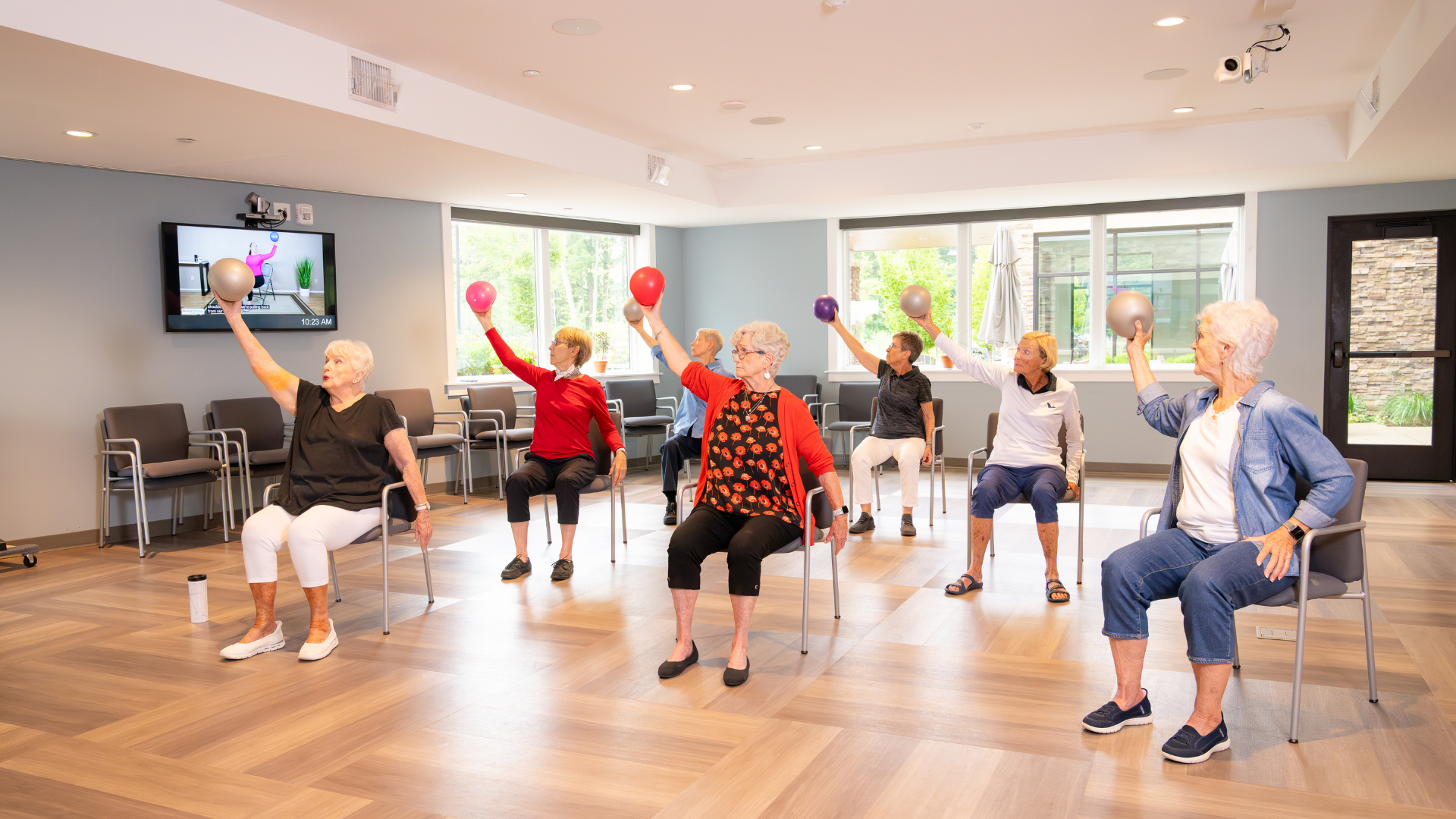
The Biggest Wellbeing Opportunity in Senior Living Is Hiding in Plain Sight
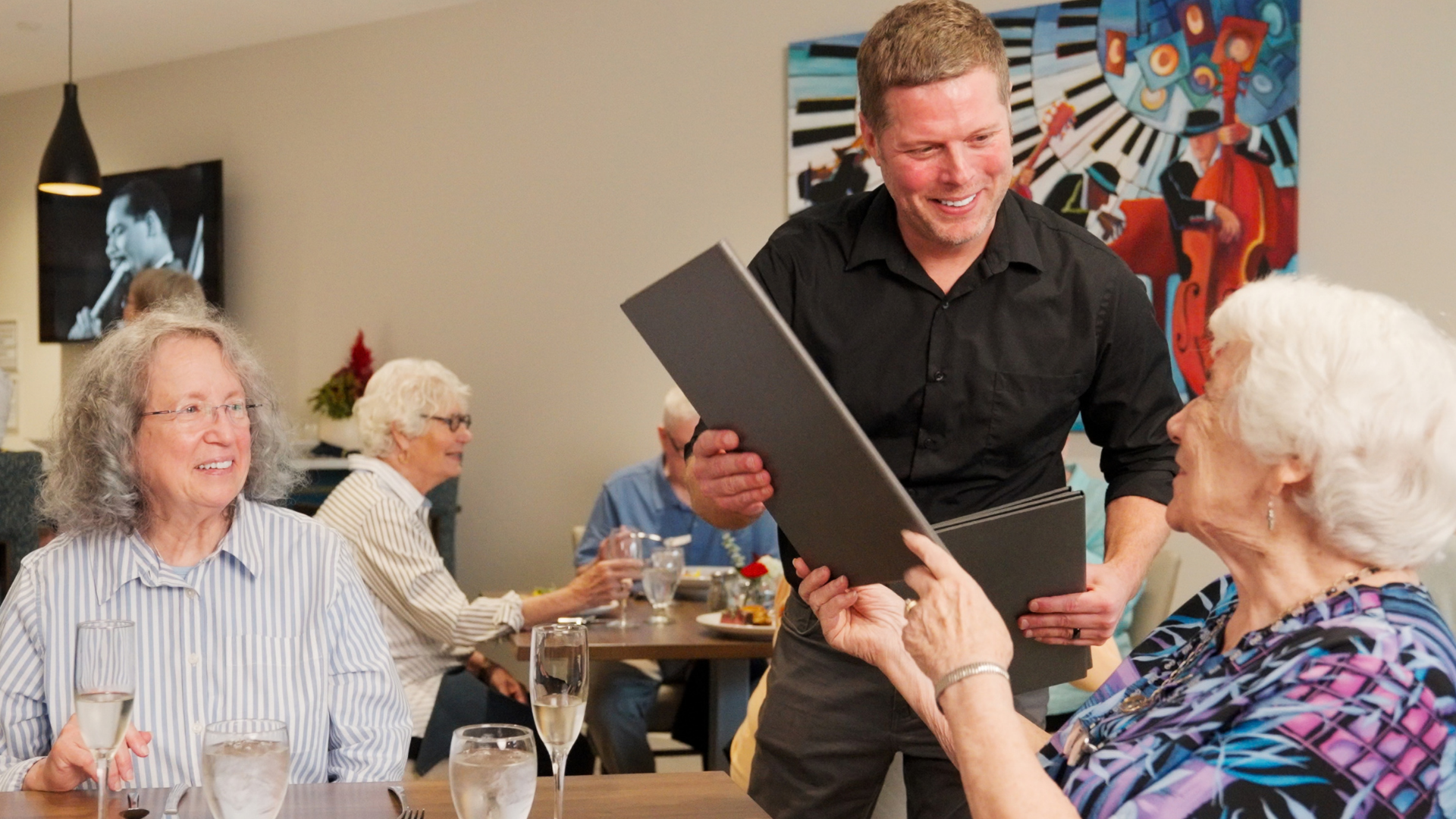
The Conversations That Keep Employees from Leaving