We are entering a different phase in how we think about aging.
For many years, the focus has largely been on managing conditions after they develop. What we are seeing now is a shift toward earlier awareness and more practical ways to support health before those issues take hold. That shift is being driven by better data, more accessible technology, and a deeper understanding of how nutrition and lifestyle influence long-term outcomes.
To explore this in a meaningful way, CCL Hospitality Group hosted the Nutrition Tech and Longevity Lab at Eastern Michigan University. The goal was to bring together clinical expertise, emerging tools, and culinary application in one setting, centered on a practical question: how do we help people maintain strength, independence, and overall wellbeing for as long as possible?
What Strength and Mobility Reveal About Healthy Aging
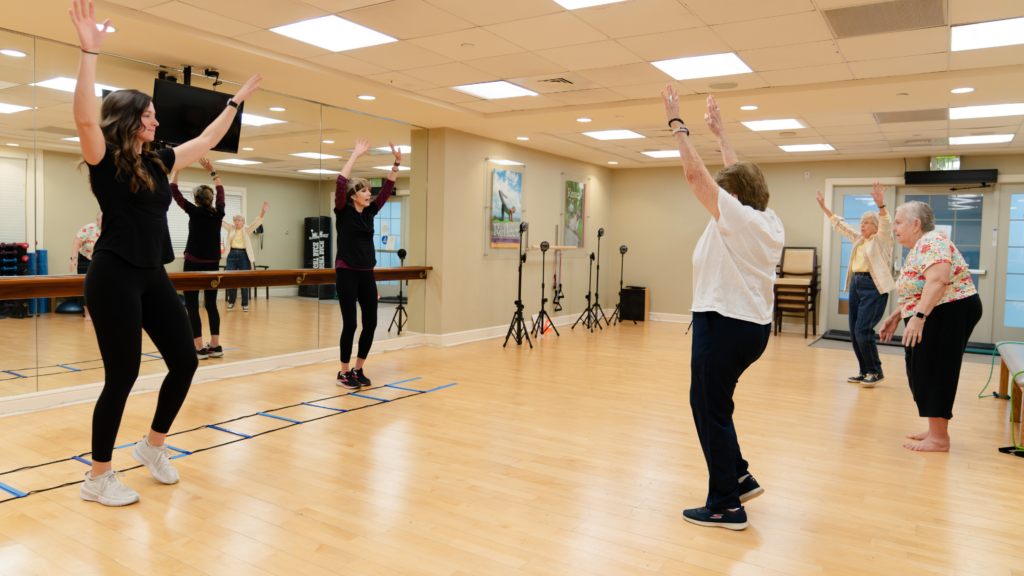
Strength and mobility are often the earliest signals of change.
Measures such as grip strength, walking speed, and the ability to stand from a chair provide meaningful insight into balance, coordination, and fall risk. These are simple assessments, but highly effective in identifying early decline.
Grip strength, in particular, has been strongly associated with overall health outcomes, including mortality. When combined with gait speed and chair stand testing, it creates a clearer picture of physical resilience.
What makes these tools especially valuable is their accessibility. They can be used across care settings, repeated over time, and easily understood by both clinicians and residents. Most importantly, they help identify change early, when intervention is still possible.
Muscle Health and Body Composition Over Time
As we look more closely at aging, muscle becomes a central focus.
Lean body mass plays a critical role not only in strength and mobility, but also in metabolic function. It is a primary site for glucose uptake after meals and supports how the body manages energy throughout the day. In practical terms, muscle influences how well someone can move, recover, and maintain independence.
The challenge is that muscle mass naturally declines with age. After age 50, individuals may lose one to two percent each year without intentional intervention. Over time, this contributes to reduced strength, slower movement, and increased fall risk.
That progression has real consequences. Loss of muscle is closely tied to fractures, hospitalization, and a decline in the ability to perform daily tasks. Once that cycle begins, it becomes increasingly difficult to reverse.
The Lab also explored emerging research related to creatine supplementation and healthy aging. While creatine has long been associated with athletic performance, growing research is examining its potential role in supporting muscle health and cognitive function as people age.
This is where body composition adds important context.
Weight alone does not tell us enough. Two individuals with the same weight may have very different distributions of muscle, fat, and bone. Body composition analysis helps clarify those differences and provides a more accurate baseline for decision-making.
Tools such as DEXA scans offer detailed insight into bone density, lean mass, and fat mass, while more accessible methods like bioelectrical impedance can still be useful for tracking trends over time. The goal is not just to measure once, but to monitor change and use that information to guide interventions that support strength, stability, and long-term health.
Making Metabolic Health More Visible
Metabolic health is another area where greater visibility is changing how we approach care.
Glucose plays a central role in energy, cognitive function, and long-term health. What is often overlooked is that changes in glucose regulation can occur years before a formal diagnosis, and many of these patterns are not captured through standard lab testing.
Continuous glucose monitoring offers a more complete view.
Using a wearable biosensor connected to an app, individuals can track how their body responds to food, activity, sleep, and stress throughout the day in real time. That visibility helps move nutrition and lifestyle guidance from broad recommendations to more personalized decision-making.
This type of feedback reinforces the impact of everyday decisions. Seeing personal responses in real time can help motivate individuals to make adjustments to meal composition, timing, and movement based on what works best for them. Over time, these adjustments can support more stable glucose levels and improved metabolic health.
Food as a Practical Strategy for Healthy Aging
While technology adds valuable insight, nutrition remains the foundation.
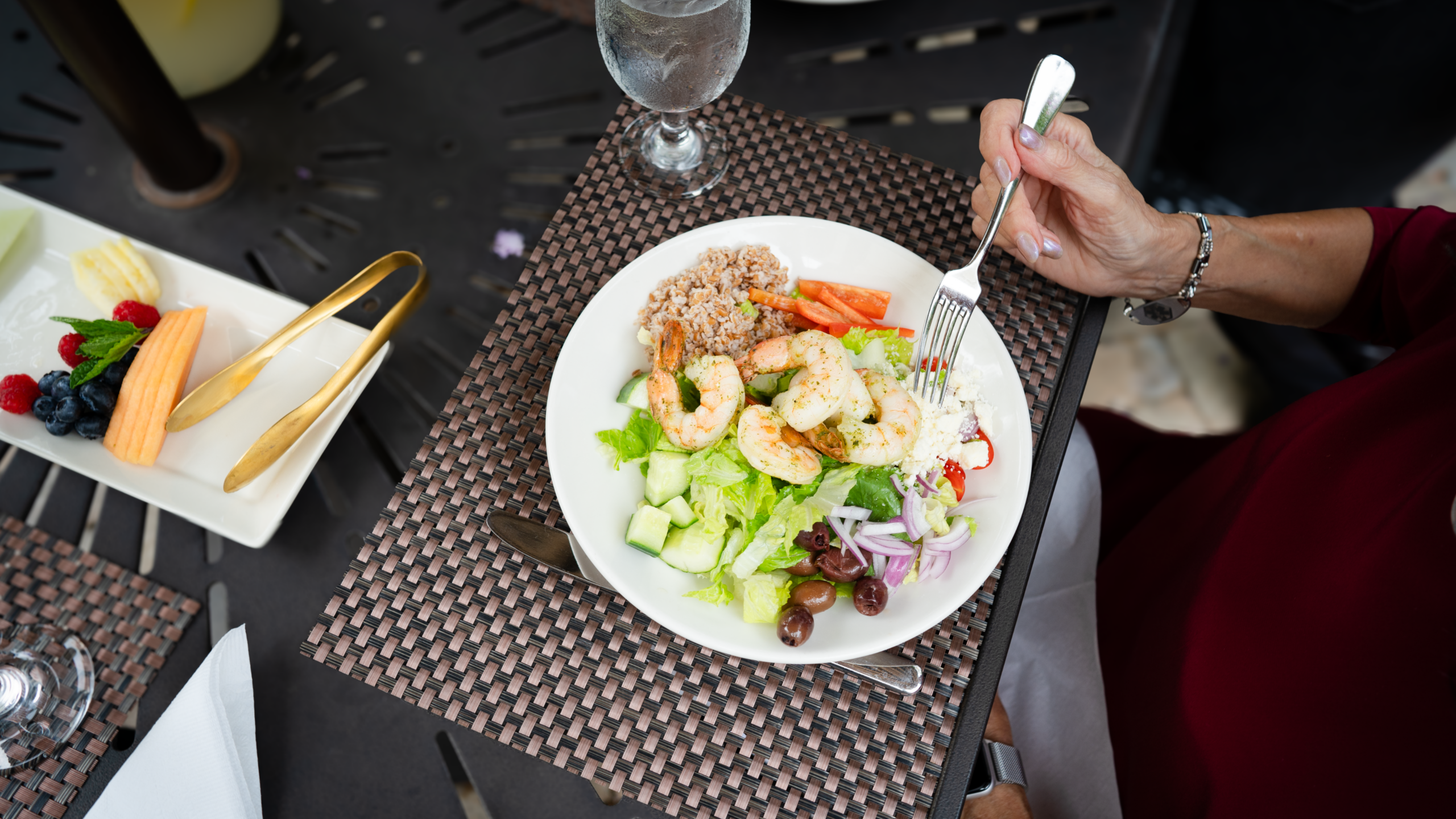
A consistent theme throughout the Lab was a plant-forward approach that emphasizes variety, balance, nutrient density, and fiber intake. Increasing plant intake supports gut health, metabolic function, and inflammation management, all of which influence long-term health.
Plant diversity is a key part of that approach. Incorporating a wide range of plant foods each week also increases dietary fiber, which plays an important role in digestion, blood sugar regulation, satiety, and microbiome diversity. Together, these factors contribute to overall wellbeing and metabolic health.
Fermented foods add another dimension by supporting gut health and improving nutrient availability. These are practical components that can be integrated into everyday meals.
The focus is not on restriction. It is on building sustainable patterns that support health over time.
Turning Insight into Everyday Decisions
One of the most important takeaways from the Lab is that access to data alone does not improve outcomes.
What makes these tools valuable is the ability to translate information into daily decisions. When individuals can connect what they are seeing to how they feel and function, the data becomes meaningful.
Participants were not only exposed to tools like body composition analysis and continuous glucose monitoring, but also to practical applications through food, movement, and education. That combination helps bridge the gap between knowing and doing.
Understanding glucose response may lead someone to adjust how they build a meal rather than eliminate foods entirely. Body composition insights may reinforce the importance of resistance training or adequate protein intake. Physical performance measures may highlight the need to focus on strength and mobility before decline becomes more pronounced.
These are not large, disruptive changes. They are targeted adjustments that, when applied consistently, support better outcomes over time.
How Senior Living Is Evolving to Support Healthier Aging
These insights have direct implications for senior living communities.
There is a clear opportunity to move beyond traditional models of care and place greater emphasis on prevention, function, and overall wellbeing. Integrating nutrition, technology, and physical assessment allows communities to support residents in a more proactive and personalized way.
At the same time, expectations are changing.
Many individuals are entering these communities earlier, often before significant health decline. They are looking for ways to stay active, maintain independence, and better understand their health. Access to tools such as metabolic tracking, body composition analysis, and nutrition-focused programming can help meet those expectations.
This creates an opportunity to rethink how services are delivered, moving from general education to more individualized support where residents can engage with their own data and make informed decisions with guidance from clinical and culinary teams.
A More Practical Path Forward for Healthy Aging
The work explored at the Nutrition Tech and Longevity Lab reflects a broader shift in how we approach aging.
Healthy aging is not driven by a single intervention. It is shaped by consistent, informed decisions supported by the right tools and environment.
As new research and technologies continue to emerge, the focus should remain on what is practical, evidence-based, and applicable in real-world settings. The goal is not to introduce complexity, but to provide clarity and direction.
When individuals understand how their body is functioning and have access to the right support, they are better positioned to maintain strength, independence, and overall wellbeing over time.
At CCL Hospitality Group, this work continues to evolve, translating emerging science and practical application into everyday experiences that support healthier, more independent living.
About CCL Hospitality Group
Browse Additional Resources
Setting the Standard Every Kitchen Should Be Held To
What Today’s Senior Living Resident Actually Expects from Technology