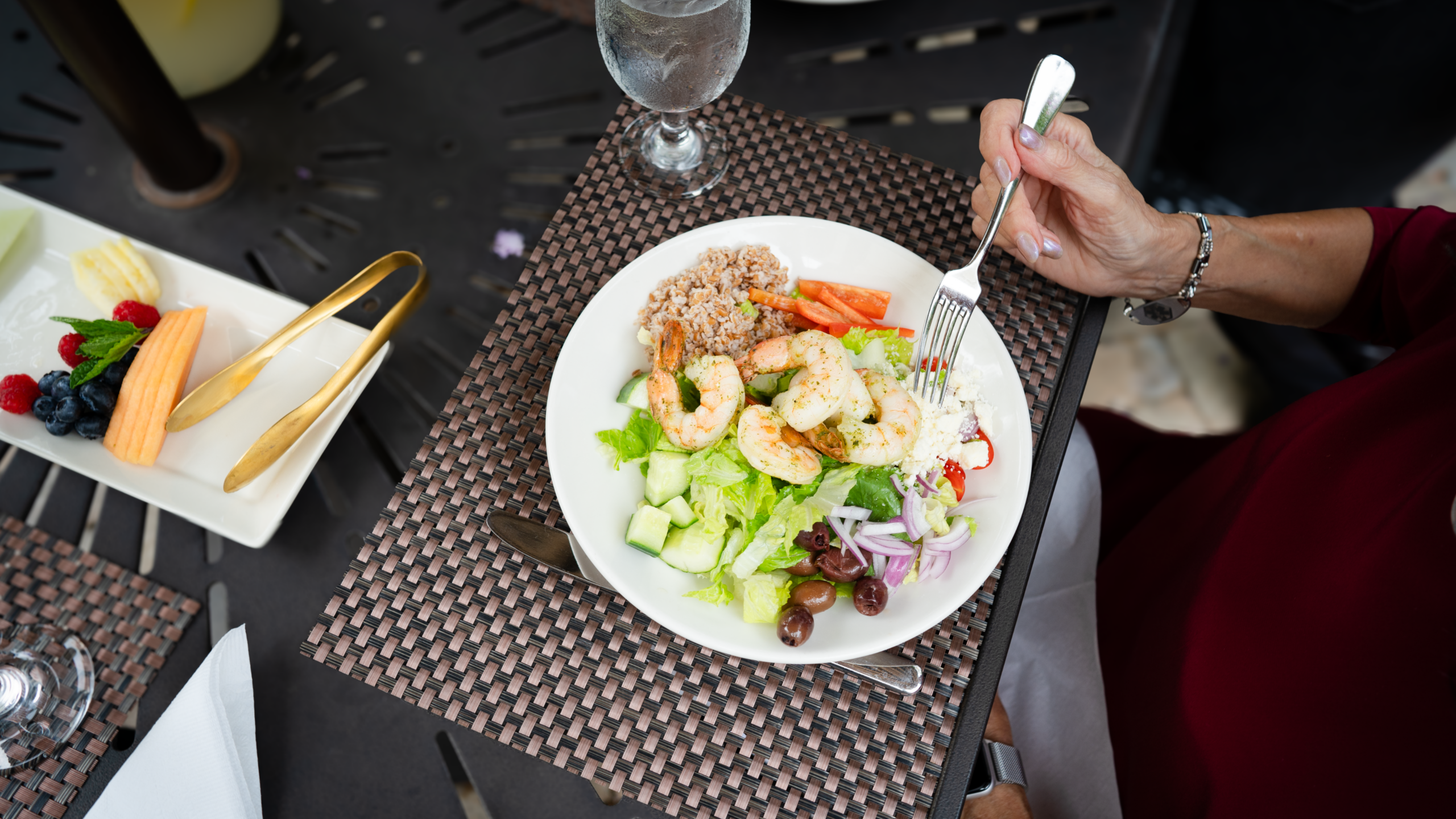
Imagine starting your day with a meal that not only satisfies your appetite but also lifts your spirits and energizes your body. Food has the power to do just that — it affects how we feel, think, and connect with others. In senior living communities, where residents’ health and happiness are intertwined, personalized dining programs can turn every meal into a source of joy and wellbeing.
Ellen Lowre, Vice President of Nutrition, Wellness, and Sustainability at CCL, approaches meals as more than sustenance. “Nutrition plays a powerful role in how residents feel every day,” she says. “When dining programs honor individuality and foster connection, we see improvements not just in health, but in happiness and engagement.”
Honoring Stories Through Food
Every resident has a story, and CCL’s dining teams work to preserve those narratives through personalized meals. Ellen shares an example of a resident whose long-time morning routine was disrupted after moving into the community. By adjusting breakfast service to include her preferred early-morning options, the team restored comfort, continuity, and a sense of control.
In another case, a resident with specific medical dietary needs collaborated with Ellen’s team to adapt their favorite recipes. “Those moments of collaboration build trust,” Ellen explains. “It’s not just about the food — it’s about honoring someone’s story and making sure they still see themselves in their daily life here.”
The Science Behind Nutrition and Wellbeing
Research shows the powerful role nutrition plays in supporting senior health. Balanced diets contribute to improved heart health, stronger immunity, better bone density, and a reduced risk of chronic disease. Nutrient-rich foods—especially those high in antioxidants and omega-3 fatty acids—also help preserve cognitive health, memory, and focus.
Equally important, studies show that personalized and communal dining fosters social engagement, increases appetite, and boosts mood. When residents feel their preferences are understood and respected, it creates a sense of autonomy and emotional wellbeing that extends beyond the dining room.
Ellen shares practical guidance for fostering good nutrition in daily life, as well as common myths debunked.
Practical Tips for Healthy Eating
1. Fill your plate with color.
A mix of fruits and vegetables provides a variety of essential nutrients.
2. Choose whole grains.
Brown rice, oats, and quinoa support energy and digestive health.
3. Prioritize lean proteins.
Fish, poultry, beans, and tofu help maintain muscle and overall wellness.
4. Stay hydrated.
Water supports digestion, energy, and cognitive function — try adding natural flavors like lemon or cucumber for variety.
Common Nutrition Myths, Debunked
Myth 1: Carbs are bad for you.
Carbohydrates are an essential energy source — choose whole, unprocessed options for sustained energy.
Myth 2: All fats are unhealthy.
Healthy fats from nuts, seeds, and olive oil support brain and heart health.
Myth 3: Skipping meals helps weight control.
Regular, balanced meals stabilize blood sugar and maintain energy.
Myth 4: Healthy eating is expensive.
Frozen or canned fruits and vegetables are nutritious, affordable, and convenient.
Myth 5: You have to be perfect.
Moderation matters more than restriction — enjoying favorite meals is part of a sustainable approach to wellbeing.
Menus That Balance Flavor, Nutrition, and Flexibility
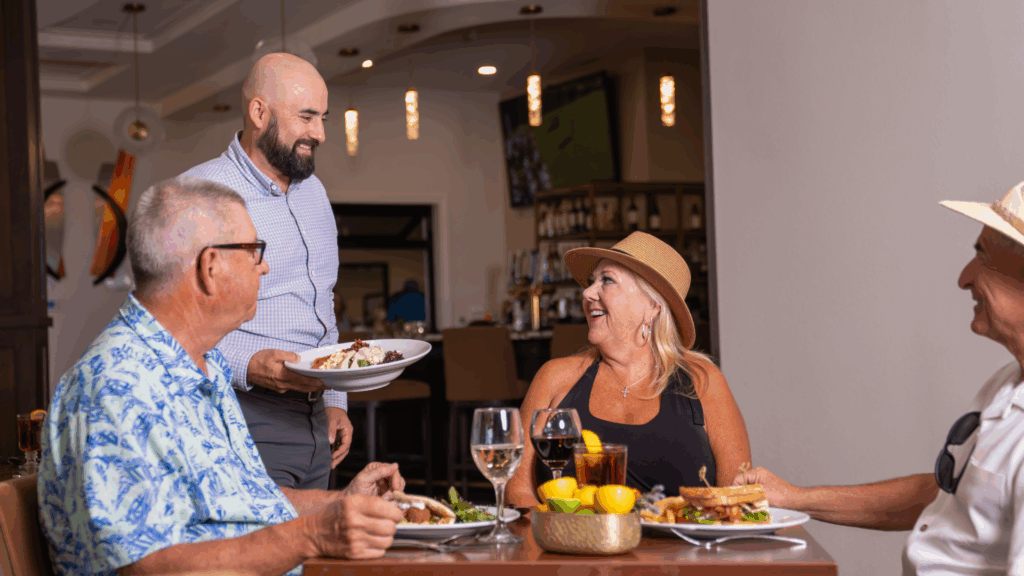
Ellen and her team build menus designed to balance flavor, nutrition, and flexibility. Seasonal ingredients, resident recipe spotlights, and themed dinners keep dining experiences engaging, while meals are tailored to meet dietary needs, health goals, and personal preferences. This thoughtful approach ensures that every plate is both satisfying and meaningful.
Personalized Nutrition
But the real impact comes from personalization, working with residents to adapt meals for dietary needs and health goals, or simply to incorporate their favorite dishes. Ellen often joins residents at their tables to gather feedback firsthand, inspiring menu innovations — from protein-rich options for early risers to dishes based on family recipes. These shared meals foster storytelling, relationship-building, and collaboration, turning each dining experience into more than food.
Personalized, attentive dining helps residents feel seen, valued, and cared for. “When you know you’ve been truly heard — your story, your preferences, your voice — that’s not just good service. It’s wellbeing in action,” Ellen says. By combining nutrition with personalization, every meal becomes an experience crafted especially for the residents we serve.
About CCL Hospitality Group
Browse Additional Resources
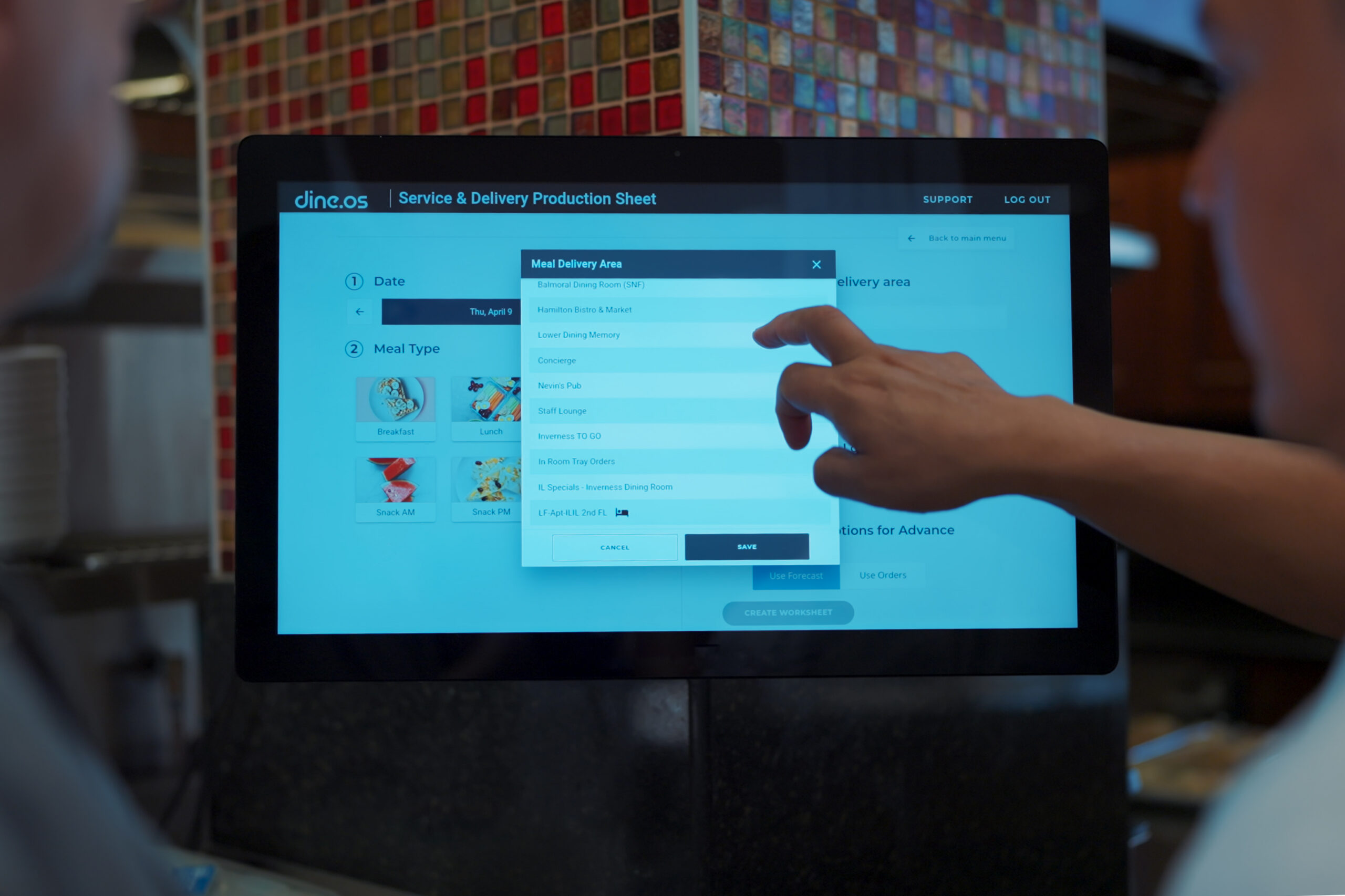
The Senior Living Dining Experience Starts with the Right Technology
Presbyterian Living Connects Dining, Hospitality, and Resident Experience with dine.os