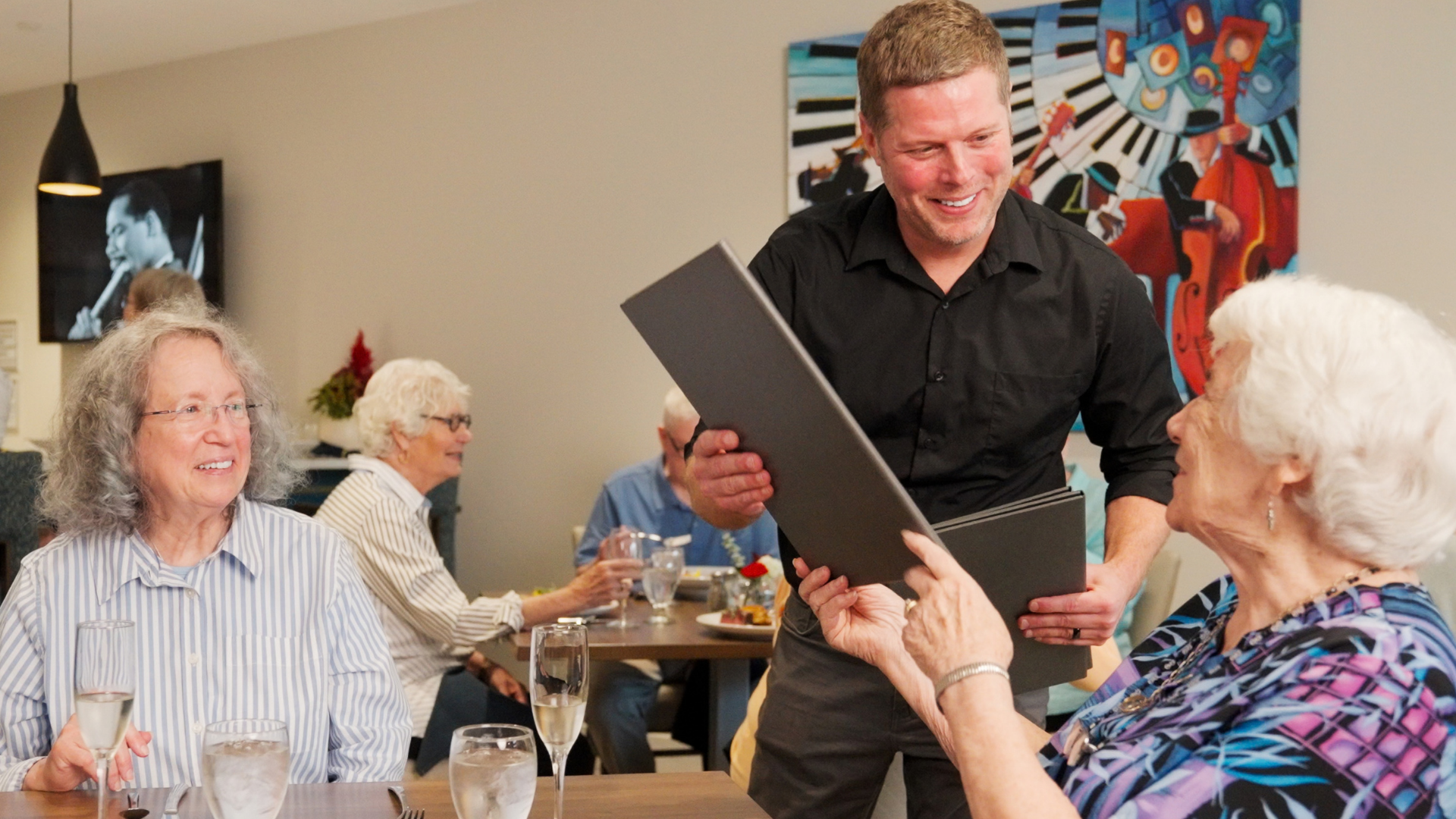
When people think about behavioral health treatment, the conversation centers on therapy sessions, medication management, and clinical care plans. Those elements are essential, but they are not the only experiences shaping recovery each day.
Some of the most significant moments happen quietly. A patient joining others for breakfast after avoiding group settings for several days. A calm exchange in the serving line. A familiar routine that gives someone something steady to hold onto. From the outside, these moments look ordinary. Inside a behavioral health facility, they often carry real weight.
Shared meals provide more than nourishment. They create space for connection, consistency, and comfort for those receiving care during a time when many feel overwhelmed or cut off from the world around them. Dining programs are often treated as operational necessities, but they should also be recognized as part of the recovery environment itself.
The Comfort of Knowing What Comes Next
Many people seeking treatment arrive after months of disrupted routine. Irregular sleep, skipped meals, and increasing withdrawal from daily life can slowly erode structure during periods of emotional struggle.
Consistent mealtimes help restore rhythm to the day. Breakfast, lunch, and dinner become reliable markers in a period where much else may feel uncertain. This matters clinically as well as practically. Research continues to link routine with improved emotional regulation, particularly during periods of stress and recovery.
There is also something worth acknowledging about what mealtimes interrupt. Outside of treatment, most people eat while multitasking, answering emails, driving, or moving between obligations. Sitting down together has become increasingly uncommon in everyday life, which makes the experience feel even more significant inside a setting where individuals are actively working to slow down.
Meals create a natural pause in the day. Patients step away from therapy sessions, clinical discussions, and outside pressures for a short period focused simply on nourishment and presence. For someone rebuilding stability, that pause can become an important anchor.

Rebuilding Connection Through Shared Experiences
Isolation rarely announces itself. It develops gradually, and depression, anxiety, trauma, and substance use disorders all tend to create distance between people in recovery and those around them. Many patients enter treatment already carrying that disconnection with them, even when they are physically surrounded by others.
Shared dining spaces can gently interrupt that pattern, not through structured programming or forced interaction, but through the repeated experience of sitting near other people, participating in familiar routines, and occasionally exchanging a few words in an environment where they feel less alone. Those interactions may seem minor on the surface, yet they often become meaningful moments of reassurance throughout recovery.
Social connection remains one of the stronger predictors of positive mental health outcomes, while prolonged isolation continues to be associated with worsening emotional and physical health challenges. Many behavioral health organizations are now building this understanding directly into their treatment environments.
The physical environment surrounding meals also shapes how patients experience those interactions. For individuals who already feel overstimulated or guarded, factors like noise levels, pacing, seating arrangements, and staff engagement can determine whether a dining room feels calming or overwhelming.
In many facilities, the social dimension of meals extends beyond the daily routine. Holiday gatherings, themed dinners, and shared celebrations give patients opportunities to build healthier associations around connection. This can be especially meaningful for individuals recovering from substance use disorders, where social occasions may have revolved around alcohol or other harmful behaviors for years. Learning that genuine connection does not depend on substances can become an important part of the recovery process itself.
Hospitality Looks Different Here
Hospitality in a behavioral health setting is not about atmosphere or amenity. It is about helping patients feel respected and safe enough to be present.
That requires something different from dining teams than most foodservice environments demand. Patients may arrive to meals anxious, exhausted, or deeply uncomfortable eating around other people. Some are navigating a complicated relationship with food for the first time in years, while others are simply trying to get through the hour.
Dining teams often see patients at their most guarded or vulnerable, which makes emotional awareness just as important as operational skill. Greeting patients warmly, reading the room accurately, maintaining calm during busy meal periods, recognizing when someone needs patience rather than conversation, and supporting alongside clinical teams all contribute to the experience people carry with them long after the meal ends.
Patients may not remember every detail of treatment, but they often remember how an environment made them feel during vulnerable moments.
Frontline dining teams in behavioral health facilities require real preparation for this work, including emotional awareness, professional steadiness, and the ability to remain grounded during tense situations. Compassion is not a bonus in these environments. It is part of the responsibility.
There is also an operational dimension to this work. When meals run smoothly, clinical teams can remain focused on patient engagement rather than managing preventable disruptions. The strongest behavioral health environments function because clinical and non-clinical teams are working toward the same goal, and dining plays an important role in supporting that effort.
Food and Mental Wellness Are Closely Connected
What a person eats, and whether they eat consistently, affects concentration, energy, mood, and resilience during periods of significant stress. For people in recovery, whose mental and physical health are already under strain, reliable nourishment supports the broader recovery process.
For some patients, treatment may be the first time in months that meals are happening consistently and in a supportive environment. For others, the relationship with food itself is part of what needs healing. In eating disorder recovery programs, mealtime support is considered a clinical priority. Yet even outside specialized settings, the emotional side of eating is often more significant than people realize. Stress and mental health challenges shape eating behaviors in ways that are deeply personal and sometimes invisible to others.
Viewing dining solely through a logistical lens misses this entirely. Feeling safe enough to sit down and eat matters. Having time to slow down and be present at a meal carries weight. For many people in recovery, these are not ordinary routines. They are early steps in learning how to care for themselves again.
A More Human View of Recovery
Strong clinical leadership and evidence-based care remain the foundation of effective behavioral health treatment. That will not change. But recovery is also shaped through the smaller experiences patients move through each day, particularly the moments that help them feel connected, grounded, and cared for in ways that are not explicitly therapeutic.
Shared meals are rarely the first thing anyone points to when describing what makes treatment effective. But they tend to surface when people reflect on what actually helped. A familiar face at breakfast. A room that felt calm. Twenty minutes where nothing was being asked of them except to eat.
For patients rebuilding trust, stability, and connection, those moments are not incidental. They are part of the work.
More organizations are beginning to recognize that.
About CCL Hospitality Group
Browse Additional Resources

Still Becoming: A New Framework for Wellbeing in Senior Living
The Biggest Wellbeing Opportunity in Senior Living Is Hiding in Plain Sight